
UI/UX

End-to-End Technology Solutions

UI/UX

UI/UX

Figma

Figma

Figma is a cloud-based UI/UX design tool used for creating scalable, collaborative, and production-ready interface designs, enabling real-time teamwork, design systems, prototyping, and seamless handoff across product, design, and development teams.

Figma is a cloud-based UI/UX design tool used for creating scalable, collaborative, and production-ready interface designs, enabling real-time teamwork, design systems, prototyping, and seamless handoff across product, design, and development teams.

Figma as a Modern UI/UX Design Platform

Figma is a cloud-native design platform built for modern UI and UX workflows. It enables designers to create, iterate, and collaborate on interface designs directly in the browser. Figma removes traditional file-based limitations by allowing teams to work on a single shared source of truth. This real-time approach improves alignment across design and product teams. Figma supports the entire design lifecycle from ideation to delivery. It has become a standard tool for digital product design.

Real-Time Collaboration and Team Workflow

One of Figma’s most powerful features is real-time collaboration. Multiple designers, product managers, and stakeholders can work on the same design simultaneously. Changes are visible instantly, reducing feedback loops and version conflicts. Commenting and review features streamline communication. Collaboration improves design velocity and decision-making. Teams remain aligned throughout the design process. This makes Figma ideal for distributed and cross-functional teams.

Scalable Design Systems and Components

Figma excels at building and maintaining scalable design systems. Designers can create reusable components, styles, and shared libraries that ensure visual consistency. Changes made to components propagate across designs automatically. This approach reduces duplication and design drift. Design systems support long-term product scalability. Figma enables teams to manage complex UI ecosystems efficiently. Consistency and scalability are core strengths of the platform.

Prototyping and Interactive Design

Figma includes built-in prototyping tools that allow designers to create interactive user flows without leaving the platform. Designers can simulate navigation, transitions, and user interactions. This helps validate design decisions early in the process. Prototypes can be shared easily with stakeholders and users. Interactive previews improve usability testing and feedback quality. Prototyping in Figma accelerates design validation. It bridges the gap between static designs and real user experience.

Developer Handoff and Design-to-Code Alignment

Figma simplifies developer handoff by providing inspectable design properties. Developers can access spacing, typography, colors, and assets directly from designs. This reduces ambiguity and improves implementation accuracy. Design tokens and components align closely with frontend development practices. Figma supports smoother collaboration between designers and engineers. Handoff becomes faster and more reliable. This alignment reduces rework and accelerates delivery.

Flexibility Across UI and UX Use Cases

Figma supports a wide range of UI and UX design use cases. It is used for web interfaces, mobile apps, dashboards, and complex product workflows. Figma adapts well to early wireframing and high-fidelity design stages. It supports responsive and adaptive design approaches. Designers can iterate rapidly across concepts. This flexibility makes Figma suitable for startups and enterprises alike. It scales across different product types.

Common Use Cases for Figma

Figma is commonly used for UI design, UX workflows, design systems, and product prototyping. It powers digital products across fintech, SaaS, eCommerce, and enterprise platforms. Figma is widely adopted for collaborative design environments. It supports both fast-moving MVPs and long-term products. Figma adapts well to agile and iterative processes. Its versatility supports diverse design needs.

Figma Usage at DAJIRAJ

At DAJIRAJ, we use Figma to design scalable, user-focused, and production-ready interfaces. Our approach emphasizes design systems, usability, and developer alignment. We collaborate closely with stakeholders to iterate designs efficiently. Figma enables us to maintain consistency across large products. Our workflows focus on clarity, collaboration, and scalability. Figma plays a central role in our UI/UX process.

Key Considerations Before Choosing Figma

Figma works best in collaborative, cloud-based workflows. Teams should define clear design system practices to maximize benefits. Internet access is required for real-time collaboration. Proper organization is essential for large design files. When used correctly, Figma significantly improves design efficiency. Strategic adoption supports scalable and collaborative design processes.

Related Technologies

Related Technologies

Dajiraj Infotech emerged with a clear mission

Related Technologies

Related Technologies

Dajiraj Infotech emerged with a clear mission

Related Technologies

Related Technologies

Dajiraj Infotech emerged with a clear mission

Adobe XD

Adobe XD is a professional UI/UX design and prototyping tool used to create interactive, user-centered digital experiences, enabling designers to design, prototype, test, and collaborate efficiently across web and mobile product design workflows.

Adobe XD

Adobe XD is a professional UI/UX design and prototyping tool used to create interactive, user-centered digital experiences, enabling designers to design, prototype, test, and collaborate efficiently across web and mobile product design workflows.

Adobe XD

Adobe XD is a professional UI/UX design and prototyping tool used to create interactive, user-centered digital experiences, enabling designers to design, prototype, test, and collaborate efficiently across web and mobile product design workflows.

Sketch

Sketch is a macOS-based UI/UX design tool used for creating clean, scalable, and production-ready interface designs, enabling component-driven workflows, design systems, and efficient collaboration for modern web and mobile products.

Sketch

Sketch is a macOS-based UI/UX design tool used for creating clean, scalable, and production-ready interface designs, enabling component-driven workflows, design systems, and efficient collaboration for modern web and mobile products.

Sketch

Sketch is a macOS-based UI/UX design tool used for creating clean, scalable, and production-ready interface designs, enabling component-driven workflows, design systems, and efficient collaboration for modern web and mobile products.

Adobe Photoshop

Adobe Photoshop is a powerful digital design and imaging tool used in UI/UX workflows for creating high-fidelity interface visuals, visual assets, mockups, and detailed design compositions that support modern web and mobile product design.

Adobe Photoshop

Adobe Photoshop is a powerful digital design and imaging tool used in UI/UX workflows for creating high-fidelity interface visuals, visual assets, mockups, and detailed design compositions that support modern web and mobile product design.

Adobe Photoshop

Adobe Photoshop is a powerful digital design and imaging tool used in UI/UX workflows for creating high-fidelity interface visuals, visual assets, mockups, and detailed design compositions that support modern web and mobile product design.

Illustrator

Adobe Illustrator is a professional vector design tool used in UI/UX workflows for creating scalable icons, illustrations, logos, and interface visuals that maintain clarity, consistency, and precision across digital products and multiple screen sizes.

Illustrator

Adobe Illustrator is a professional vector design tool used in UI/UX workflows for creating scalable icons, illustrations, logos, and interface visuals that maintain clarity, consistency, and precision across digital products and multiple screen sizes.

Illustrator

Adobe Illustrator is a professional vector design tool used in UI/UX workflows for creating scalable icons, illustrations, logos, and interface visuals that maintain clarity, consistency, and precision across digital products and multiple screen sizes.

Balsamiq

Balsamiq is a low-fidelity wireframing tool used in UI/UX design to quickly visualize ideas, define user flows, and validate layout concepts, enabling fast iteration, clear communication, and early alignment across product teams.

Balsamiq

Balsamiq is a low-fidelity wireframing tool used in UI/UX design to quickly visualize ideas, define user flows, and validate layout concepts, enabling fast iteration, clear communication, and early alignment across product teams.

Balsamiq

Balsamiq is a low-fidelity wireframing tool used in UI/UX design to quickly visualize ideas, define user flows, and validate layout concepts, enabling fast iteration, clear communication, and early alignment across product teams.

InVision

InVision is a digital product design and prototyping platform used to create interactive prototypes, gather design feedback, and collaborate across teams, helping designers, product managers, and developers align on user experience before development begins.

InVision

InVision is a digital product design and prototyping platform used to create interactive prototypes, gather design feedback, and collaborate across teams, helping designers, product managers, and developers align on user experience before development begins.

InVision

InVision is a digital product design and prototyping platform used to create interactive prototypes, gather design feedback, and collaborate across teams, helping designers, product managers, and developers align on user experience before development begins.

Framer

Framer is an advanced UI/UX design and prototyping platform used to create highly interactive, realistic, and production-aligned user experiences, enabling designers to build dynamic prototypes that closely match real product behavior and frontend implementation.

Framer

Framer is an advanced UI/UX design and prototyping platform used to create highly interactive, realistic, and production-aligned user experiences, enabling designers to build dynamic prototypes that closely match real product behavior and frontend implementation.

Framer

Framer is an advanced UI/UX design and prototyping platform used to create highly interactive, realistic, and production-aligned user experiences, enabling designers to build dynamic prototypes that closely match real product behavior and frontend implementation.

Miro

Miro is a collaborative online whiteboard platform used in UI/UX design to map ideas, user journeys, workflows, and product strategies, enabling real-time collaboration, visual thinking, and cross-functional alignment throughout the design process.

Miro

Miro is a collaborative online whiteboard platform used in UI/UX design to map ideas, user journeys, workflows, and product strategies, enabling real-time collaboration, visual thinking, and cross-functional alignment throughout the design process.

Miro

Miro is a collaborative online whiteboard platform used in UI/UX design to map ideas, user journeys, workflows, and product strategies, enabling real-time collaboration, visual thinking, and cross-functional alignment throughout the design process.

Zeplin

Zeplin is a design handoff and collaboration platform that bridges the gap between UI/UX design and development, enabling designers and developers to stay aligned through accurate specs, assets, style guides, and consistent design-to-code workflows.

Zeplin

Zeplin is a design handoff and collaboration platform that bridges the gap between UI/UX design and development, enabling designers and developers to stay aligned through accurate specs, assets, style guides, and consistent design-to-code workflows.

Zeplin

Zeplin is a design handoff and collaboration platform that bridges the gap between UI/UX design and development, enabling designers and developers to stay aligned through accurate specs, assets, style guides, and consistent design-to-code workflows.

Process

Our Process

From humble beginnings to industry leadership – the milestones that shaped our story
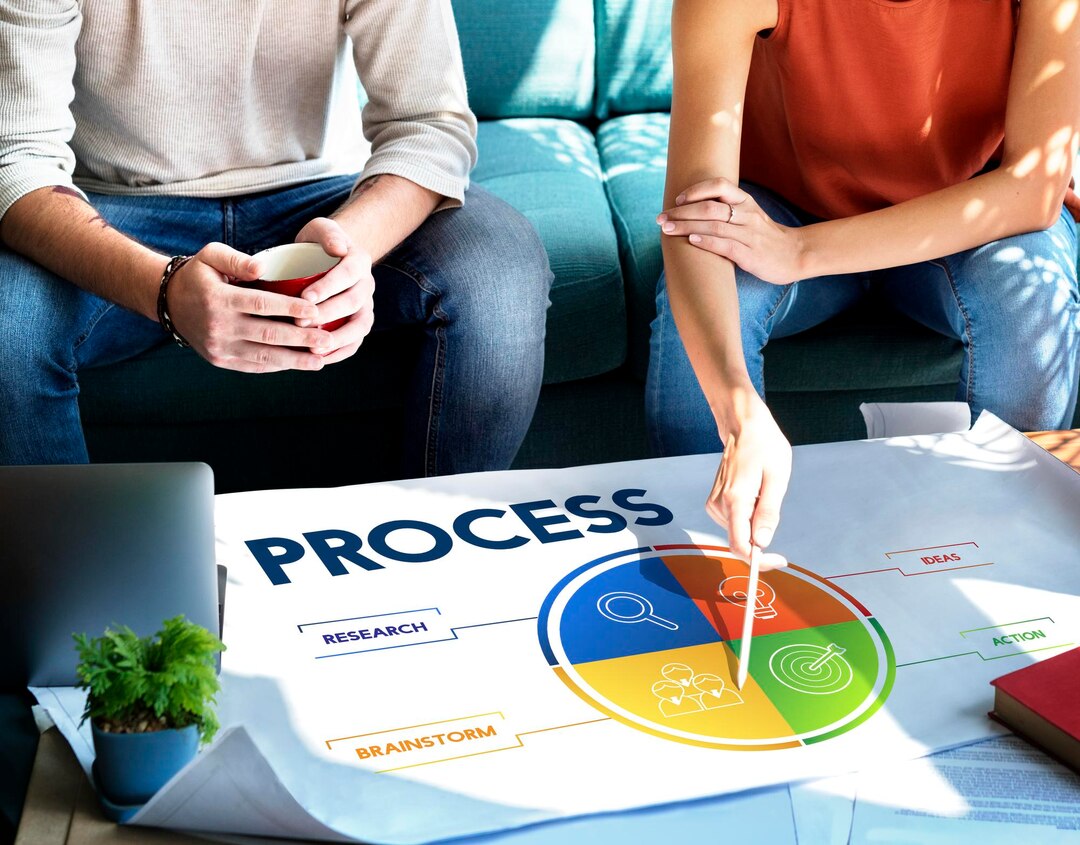
Process Image

Step 1

Project Scope & Research

We start by understanding your business goals, target audience, market research, and detailed project requirements.

Step 2

Wireframe

Create detailed wireframes and information architecture to map out user flows and functionality.

Step 3

UI/UX Design

Design beautiful, intuitive interfaces that provide exceptional user experiences and align with your brand.

Step 4

Prototype

Build interactive prototypes to validate design concepts and gather feedback before development.

Step 5

Development

Our expert team brings your vision to life using the latest technologies and development best practices.

Step 6

Quality Assurance

Rigorous testing across devices, browsers, and scenarios to ensure flawless performance and reliability.

Step 7

Deployment

Seamless launch to production with proper configuration, optimization, and go-live support.

Step 8

Support & Maintenance

Ongoing support, updates, monitoring, and maintenance to ensure long-term success and performance.

Process

Our Process

From humble beginnings to industry leadership – the milestones that shaped our story
Process Image

Step 1

Project Scope & Research

We start by understanding your business goals, target audience, market research, and detailed project requirements.

Step 2

Wireframe

Create detailed wireframes and information architecture to map out user flows and functionality.

Step 3

UI/UX Design

Design beautiful, intuitive interfaces that provide exceptional user experiences and align with your brand.

Step 4

Prototype

Build interactive prototypes to validate design concepts and gather feedback before development.

Step 5

Development

Our expert team brings your vision to life using the latest technologies and development best practices.

Step 6

Quality Assurance

Rigorous testing across devices, browsers, and scenarios to ensure flawless performance and reliability.

Step 7

Deployment

Seamless launch to production with proper configuration, optimization, and go-live support.

Step 8

Support & Maintenance

Ongoing support, updates, monitoring, and maintenance to ensure long-term success and performance.

Process

Our Process

From humble beginnings to industry leadership – the milestones that shaped our story
Process Image

Step 1

Project Scope & Research

We start by understanding your business goals, target audience, market research, and detailed project requirements.

Step 2

Wireframe

Create detailed wireframes and information architecture to map out user flows and functionality.

Step 3

UI/UX Design

Design beautiful, intuitive interfaces that provide exceptional user experiences and align with your brand.

Step 4

Prototype

Build interactive prototypes to validate design concepts and gather feedback before development.

Step 5

Development

Our expert team brings your vision to life using the latest technologies and development best practices.

Step 6

Quality Assurance

Rigorous testing across devices, browsers, and scenarios to ensure flawless performance and reliability.

Step 7

Deployment

Seamless launch to production with proper configuration, optimization, and go-live support.

Step 8

Support & Maintenance

Ongoing support, updates, monitoring, and maintenance to ensure long-term success and performance.

Process

Our Process

From humble beginnings to industry leadership – the milestones that shaped our story
Process Image

Step 1

Project Scope & Research

We start by understanding your business goals, target audience, market research, and detailed project requirements.

Step 2

Wireframe

Create detailed wireframes and information architecture to map out user flows and functionality.

Step 3

UI/UX Design

Design beautiful, intuitive interfaces that provide exceptional user experiences and align with your brand.

Step 4

Prototype

Build interactive prototypes to validate design concepts and gather feedback before development.

Step 5

Development

Our expert team brings your vision to life using the latest technologies and development best practices.

Step 6

Quality Assurance

Rigorous testing across devices, browsers, and scenarios to ensure flawless performance and reliability.

Step 7

Deployment

Seamless launch to production with proper configuration, optimization, and go-live support.

Step 8

Support & Maintenance

Ongoing support, updates, monitoring, and maintenance to ensure long-term success and performance.

Lets Collabrate

Tell Us About Your Project

Every great project begin with a simple conversation

Send Us A Message

We Will get back to you shortly

Lets Collabrate

Tell Us About Your Project

Every great project begin with a simple conversation

Send Us A Message

We Will get back to you shortly

Lets Collabrate

Tell Us About Your Project

Every great project begin with a simple conversation

Send Us A Message

We Will get back to you shortly

Lets Collabrate

Tell Us About Your Project

Every great project begin with a simple conversation

Send Us A Message

We Will get back to you shortly