

Food & Restaurant
Digital food and restaurant platforms designed to manage ordering, reservations, kitchen operations, and customer engagement. Restaurant technology solutions and scalable systems.
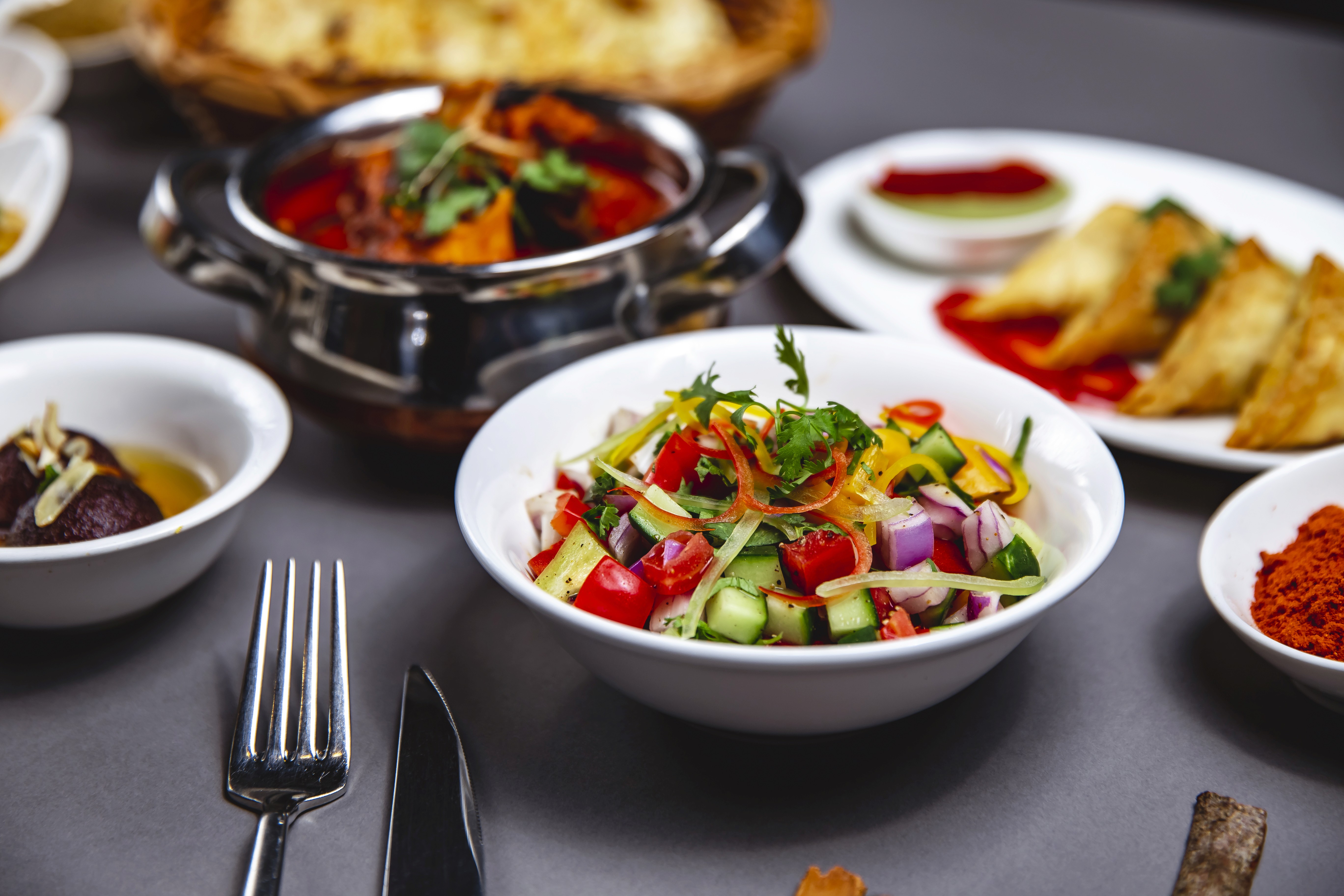
Digital Technology in Modern Food Businesses
The food and restaurant industry operates in a fast-paced environment where speed, accuracy, and customer experience are critical. Changing consumer behavior has increased demand for online ordering, digital menus, and contactless services. Restaurants must manage dine-in, takeaway, and delivery operations simultaneously. Digital platforms help unify these workflows into a single operational view. Technology improves coordination between front-of-house, kitchen, and delivery teams. Real-time systems reduce delays and order errors. Scalable digital solutions allow food businesses to adapt to demand fluctuations. Technology has become essential for operational efficiency and customer satisfaction.
Restaurant Management and Operations Platforms
Restaurant management systems centralize daily operations and improve visibility. These platforms manage tables, reservations, staff schedules, and order flow. Real-time updates help teams respond quickly during peak hours. Automation reduces manual coordination and paperwork. Integrated systems improve communication between service and kitchen staff. Data consistency supports smoother operations across locations. Flexible platforms adapt to different restaurant formats. Strong management systems help restaurants maintain service quality and operational control.
Online Ordering and Digital Menus
Online ordering has become a core revenue channel for food businesses. Digital ordering platforms allow customers to browse menus, customize orders, and place requests seamlessly. Systems support web and mobile ordering experiences. Real-time menu updates prevent availability issues. Digital menus reduce dependency on printed materials. Ordering workflows integrate directly with kitchen operations. Faster order processing improves customer satisfaction. Scalable ordering systems support growing order volumes and multi-location businesses.
Kitchen Workflow and Order Processing Systems
Efficient kitchen operations are critical to timely service delivery. Digital kitchen management systems organize incoming orders and preparation workflows. Real-time displays help staff prioritize tasks accurately. Automation reduces confusion and missed orders. Workflow visibility improves coordination during busy periods. Systems support dine-in, takeaway, and delivery channels simultaneously. Accurate processing reduces waste and delays. Well-managed kitchen systems improve consistency and food quality.
Delivery, Pickup, and Service Coordination
Food delivery and pickup services require precise coordination. Digital systems manage delivery partners, pickup schedules, and order status tracking. Customers receive timely updates throughout fulfillment. Integration with third-party delivery services improves operational reach. Automated routing supports faster deliveries. Real-time coordination reduces service bottlenecks. Visibility across channels improves accountability. Efficient delivery systems enhance overall customer experience.
Customer Engagement and Loyalty Systems
Customer retention is vital in the food and restaurant industry. Engagement platforms support loyalty programs, offers, feedback, and communication. Personalized experiences increase repeat visits and order frequency. Data-driven insights help restaurants understand customer preferences. Automated notifications keep customers informed and engaged. Feedback systems support continuous service improvement. Engagement tools strengthen brand relationships. Loyal customers contribute to long-term business stability.
Food Business Analytics and Performance Insights
Operational data provides valuable insights into restaurant performance. Analytics platforms track sales trends, order volumes, peak hours, and customer behavior. Dashboards support informed decision-making. Data helps identify inefficiencies and growth opportunities. Performance metrics guide staffing and menu optimization. Scalable analytics adapt to expanding operations. Insights improve profitability and service planning. Data-driven strategies support sustainable growth.
Security, Reliability, and Scalability
Food and restaurant platforms handle customer and transaction data. Secure system design protects sensitive information. Platforms are built for high availability during peak dining hours. Scalability supports business expansion and seasonal demand. Maintenance is managed without service disruption. Reliable systems ensure uninterrupted operations. Security builds customer trust. Strong infrastructure supports long-term food business growth.