

Game
Game development solutions including multiplayer systems, real-time engines, in-app monetization, immersive AR/VR experiences.
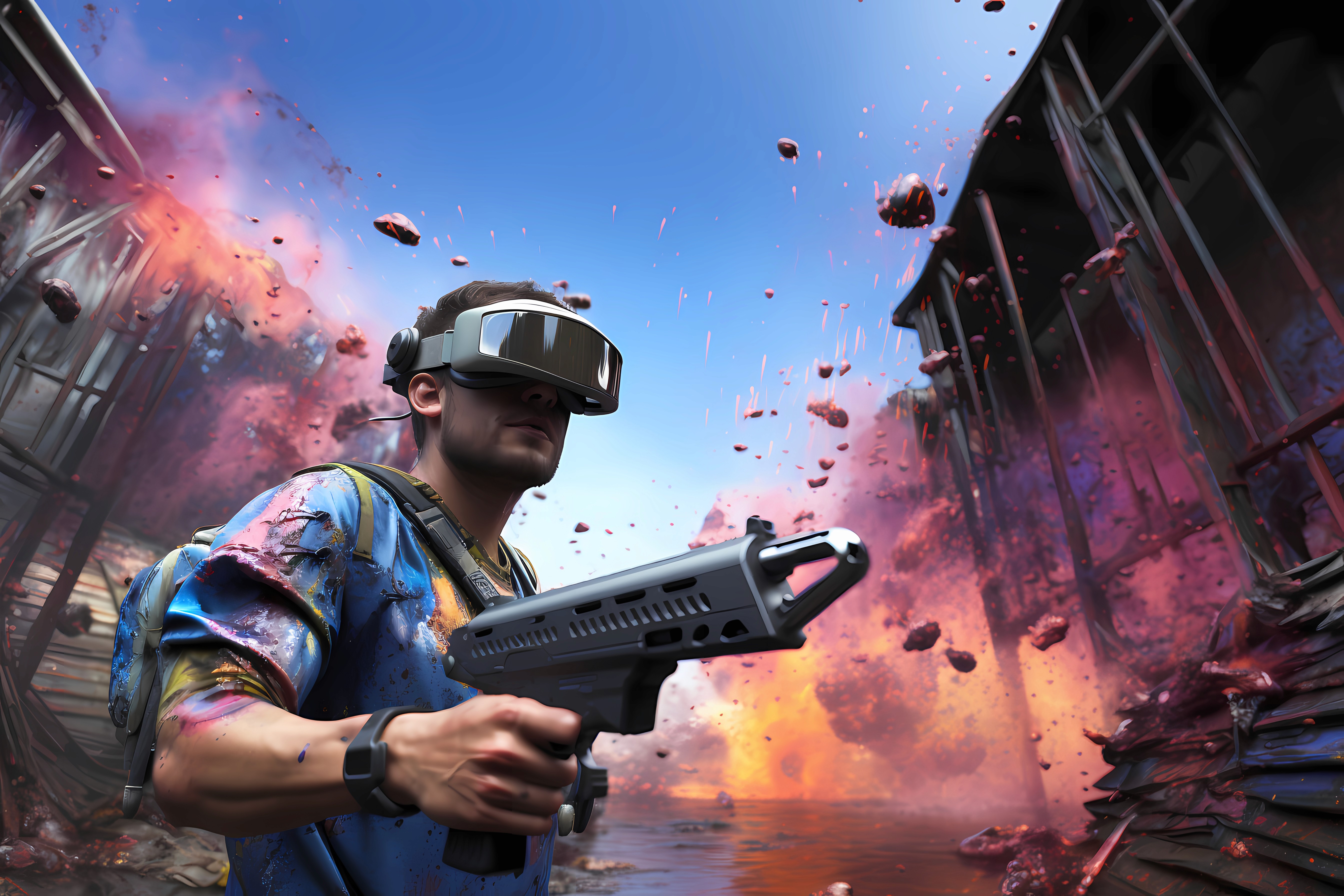
Building Digital Foundations for Modern Games
The gaming industry demands highly responsive, visually rich, and performance-driven digital systems. Players expect smooth gameplay, real-time interaction, and consistent experiences across devices. Even minor latency or instability can impact engagement and retention. Modern game platforms must support complex logic, frequent updates, and large user bases. Technology becomes the backbone that enables creativity and scalability. Well-structured systems allow studios to focus on gameplay innovation. Strong foundations ensure stability during peak usage. Digital readiness is essential for competitive game development.
Game Engine Integration and Core Systems
Game engines form the technical core of game development. Integrated systems manage rendering, physics, game logic, and asset handling. Backend services support user accounts, game state, and progression data. Modular architecture allows features to evolve without disrupting gameplay. Efficient integration improves performance across platforms. Systems are designed to handle rapid iteration cycles. Clean architecture simplifies testing and updates. Reliable core systems enable long-term game scalability.
Multiplayer and Real-Time Game Experiences
Multiplayer functionality introduces additional technical complexity. Real-time communication, synchronization, and matchmaking must operate flawlessly. Game platforms manage concurrent players, session handling, and state consistency. Low-latency systems are critical for competitive and cooperative gameplay. Server architecture must scale dynamically with player demand. Monitoring tools help identify performance issues quickly. Secure connections protect game integrity. Strong multiplayer systems enhance player engagement and retention.
Game Performance Optimization and Stability
Performance optimization is central to successful gaming experiences. Platforms are designed to maintain smooth frame rates and fast load times. Resource management ensures efficient use of device capabilities. Backend systems support high-frequency interactions without degradation. Load balancing prevents server overload during peak activity. Continuous monitoring improves reliability. Optimized systems reduce crashes and downtime. Stable performance builds player trust and satisfaction.
Cross-Platform and Mobile Game Development
Players increasingly expect access across mobile, web, and multiple devices. Cross-platform game systems enable shared progression and consistent experiences. Mobile game development requires optimization for diverse hardware and network conditions. Touch-friendly interfaces and responsive controls improve usability. Backend systems synchronize data across platforms. Cross-platform support expands audience reach. Consistency strengthens brand recognition. Flexible systems support future platform expansion.
Player Engagement, Progression, and Analytics
Player engagement depends on meaningful progression and feedback. Game systems track achievements, levels, rewards, and in-game behavior. Analytics platforms provide insights into player activity and retention patterns. Data helps balance gameplay and improve design decisions. Real-time insights support live operations and updates. Scalable analytics handle growing player bases. Engagement data informs content strategy. Data-driven decisions improve long-term game success.
Security, Fair Play, and Data Protection
Gaming platforms must protect both players and game integrity. Security systems prevent cheating, abuse, and unauthorized access. Data protection safeguards player accounts and progress. Monitoring tools detect suspicious behavior. Fair play systems maintain competitive balance. Secure architecture builds trust within gaming communities. Reliability reduces exploit risks. Strong security supports sustainable player ecosystems.
Supporting Long-Term Game Growth
Games evolve continuously through updates, expansions, and community feedback. Technology must support frequent content releases without instability. Modular systems enable controlled feature rollout. Scalable infrastructure adapts to player growth and seasonal spikes. Long-term success depends on adaptability and performance. Ongoing optimization maintains engagement and stability. Digital foundations support live operations and monetization strategies. Sustainable systems help games grow beyond initial launch.