

Transport
Transport app development with ride-booking systems, fleet management platforms, dispatch automation, and real-time tracking tools.
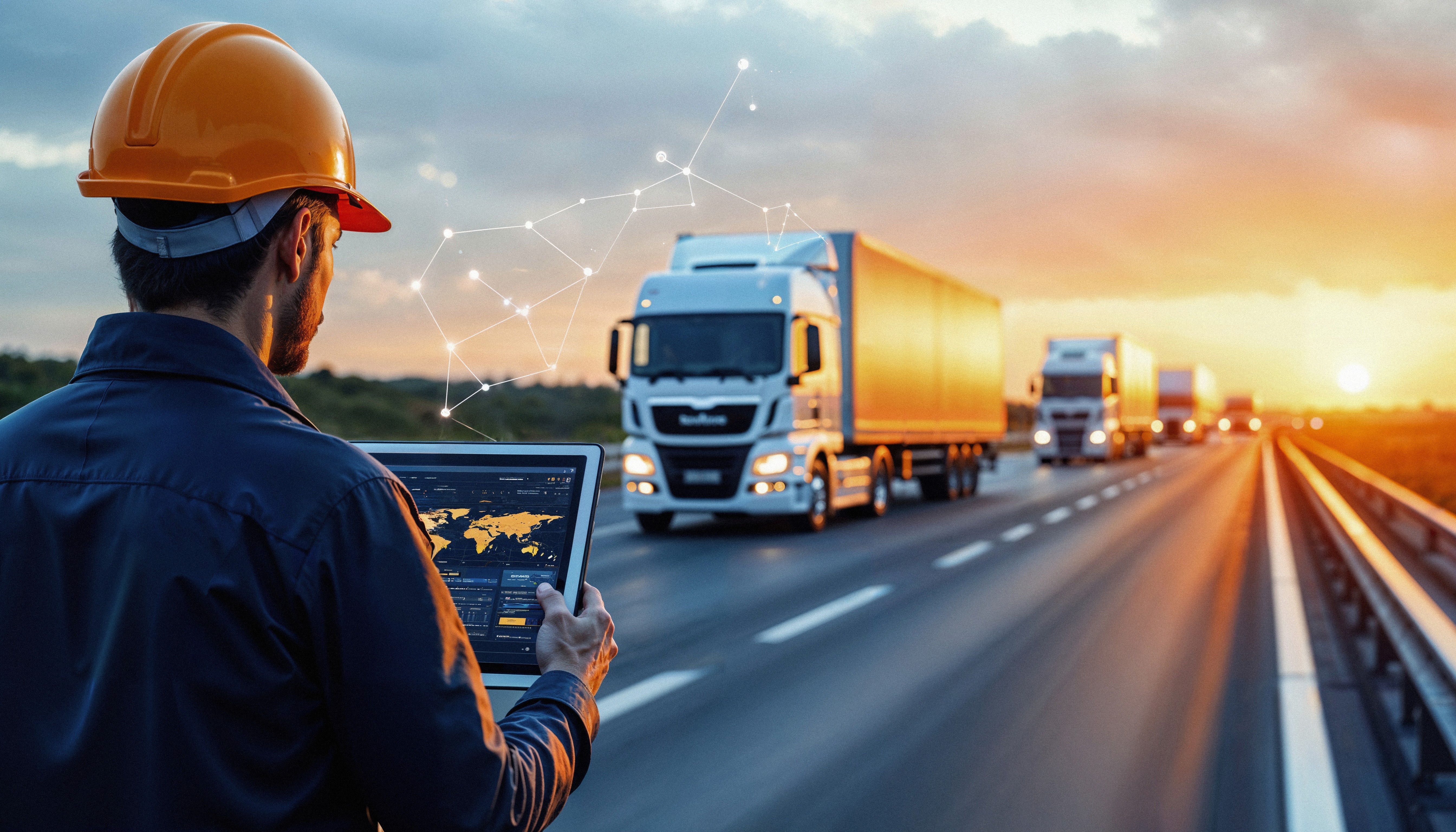
Technology Powering Modern Transportation
The transport industry operates at the center of urban mobility, logistics movement, and passenger services. Growing demand, traffic congestion, and operational complexity require more than manual coordination. Digital transport systems provide real-time visibility and control across vehicles, routes, and users. Technology enables operators to respond quickly to changing conditions. Reliable platforms improve service continuity and safety. Scalability supports expanding fleets and routes. Well-designed systems reduce inefficiencies and delays. Digital transformation has become essential for modern transport ecosystems.
Transport Platform and Mobility Solutions
Transport platforms connect vehicles, operators, and users through centralized systems. These platforms manage scheduling, dispatching, route planning, and service coordination. Real-time data allows continuous monitoring of operations. Flexible architecture supports public transport, private fleets, and mobility services. Systems adapt to different transport models and geographies. Automation reduces operational overhead. Centralized platforms improve coordination and accountability. Strong mobility systems enable smoother transport operations.
Fleet Management and Vehicle Tracking
Fleet management systems play a critical role in transport efficiency. Digital platforms track vehicle location, usage, and performance in real time. Operators gain visibility into fleet status and availability. Maintenance schedules are managed proactively to reduce breakdowns. Route performance data supports optimization decisions. Tracking improves safety and accountability. Scalable systems support growing vehicle fleets. Effective fleet management reduces operational cost and downtime.
Route Planning and Scheduling Systems
Efficient routing and scheduling are vital in transport operations. Route planning systems use data to optimize travel paths and schedules. These systems consider distance, time, traffic, and service priorities. Dynamic adjustments improve responsiveness to disruptions. Optimized scheduling reduces fuel usage and delays. Accurate planning improves service reliability. Automated routing supports operational scalability. Intelligent scheduling enhances overall transport performance.
Passenger and Service Experience Platforms
User experience is a key differentiator in transport services. Digital platforms support ticketing, notifications, service updates, and feedback. Passengers benefit from transparency and timely information. Systems enable seamless interaction across mobile and web channels. Consistent experiences improve trust and adoption. Real-time updates reduce uncertainty and frustration. Service platforms strengthen brand perception. Positive experiences drive long-term usage.
Transport Analytics and Operational Insights
Transport operations generate large volumes of operational data. Analytics platforms convert this data into actionable insights. Dashboards track performance metrics such as punctuality, utilization, and efficiency. Insights help identify bottlenecks and improvement areas. Data supports planning and capacity optimization. Scalable analytics adapt to growing operations. Informed decisions reduce risk and cost. Analytics-driven operations improve long-term sustainability.
Security, Reliability, and Scalability
Transport systems must operate reliably under continuous demand. Secure architecture protects operational and user data. Platforms are designed for high availability and resilience. Scalability supports expansion across routes, regions, and users. Maintenance is planned without service disruption. Reliable systems ensure uninterrupted transport services. Security builds trust with users and partners. Strong infrastructure supports future transport growth.